LIGHTHOUSE43 EMDR
What is EMDR (Eye Movement Desensitisation and Reprocessing) — and how can it help? Sometimes, after an overwhelming or distressing experience, memories can remain connected to the emotions and physical sensations we experienced at the time. EMDR is a therapeutic approach that can help the brain process these experiences, so that the memory can become less emotionally intense and feel more like something that happened in the past.

EMDR-Eye Movement Desensitisation and Reprocessing
What is EMDR?
EMDR stands for Eye Movement Desensitisation and Reprocessing. It was developed by Francine Shapiro in 1987 and uses a process similar to the eye movements we experience during REM sleep.
What happens in EMDR?
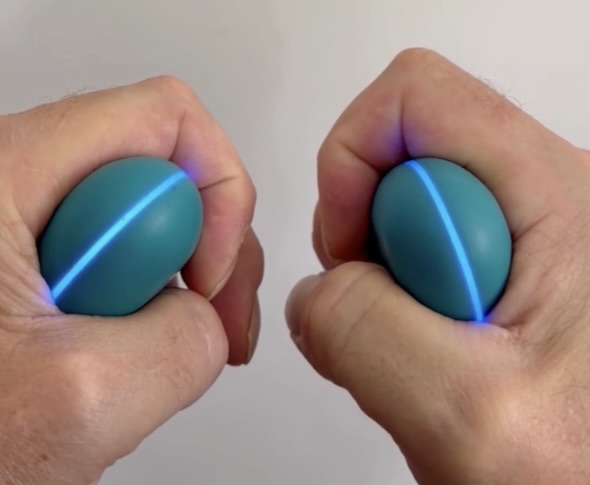
After a thorough assessment, you’ll focus on a particular disturbing memory while following your therapist’s finger from side to side. Sometimes lights or headphones are used instead. Sessions can also be carried out online.
After each short set, you’ll talk about what you noticed — which might include changes in thoughts, images or feelings.”
The goal isn’t to erase the memory.
With repeated sets, the memory may become less emotionally painful and feel more like a neutral memory of something that happened in the past.
Why can trauma feel so real?
After an overwhelming or distressing experience, memories can remain unprocessed. They can be connected to intense emotions and physical sensations — meaning something in the present can trigger those old feelings.
What can EMDR help with?
EMDR can be used for PTSD, as well as anxiety and panic attacks, depression, stress, phobias, sleep problems, complicated grief, addictions, pain, self-esteem difficulties and performance anxiety.
Do I remain in control?
EMDR isn’t hypnosis. You remain fully alert and can stop the process at any time. Your therapist supports the process while allowing the reprocessing to happen naturally.
For more info check out our YouTube Video https://youtube.com/shorts/uWVEwqQWLQw?si=F67SwxQ-pd-3ktC_